
Pelvic Health
Colorectal Rehabilitation: From Assessment to Treatment
Two days on assessing and treating bowel dysfunction, from anorectal anatomy and examination to EMG biofeedback and rectal balloon training, with seven hands-on labs.
About this course
A deep dive into the posterior triangle, from assessment to treatment. Day one covers functional colorectal anatomy and physiology in men and women, GI diseases and disorders, constipation, fecal incontinence, and diagnostic testing, with labs on palpation and external and internal anorectal examination.
Day two is about treatment for functional constipation, fecal incontinence, and anal fissures: surface EMG biofeedback, a good dive into rectal balloon training, manual therapy, and defecatory coordination. It closes with complex cases and an integrated treatment and clinical competency lab.
Who it’s for
Clinicians who treat bowel dysfunction, including constipation and fecal incontinence. PTs, PTAs, OTs, and OTAs can attend, each practicing within their own scope of practice.
When you leave, you’ll be able to…
- Explain functional colorectal anatomy and physiology, including the posterior triangle.
- Perform external and internal anorectal examinations, practiced hands-on in lab.
- Classify and evaluate constipation, fecal incontinence, and anorectal dysfunction, and recognize the GI diseases and disorders behind them.
- Interpret diagnostic testing and apply it to your clinical reasoning.
- Use EMG biofeedback to treat anorectal dysfunction.
- Deliver rectal balloon training, knowing its principles and indications.
- Treat constipation and fecal incontinence with manual therapy and defecatory coordination training, including complex cases and special populations.
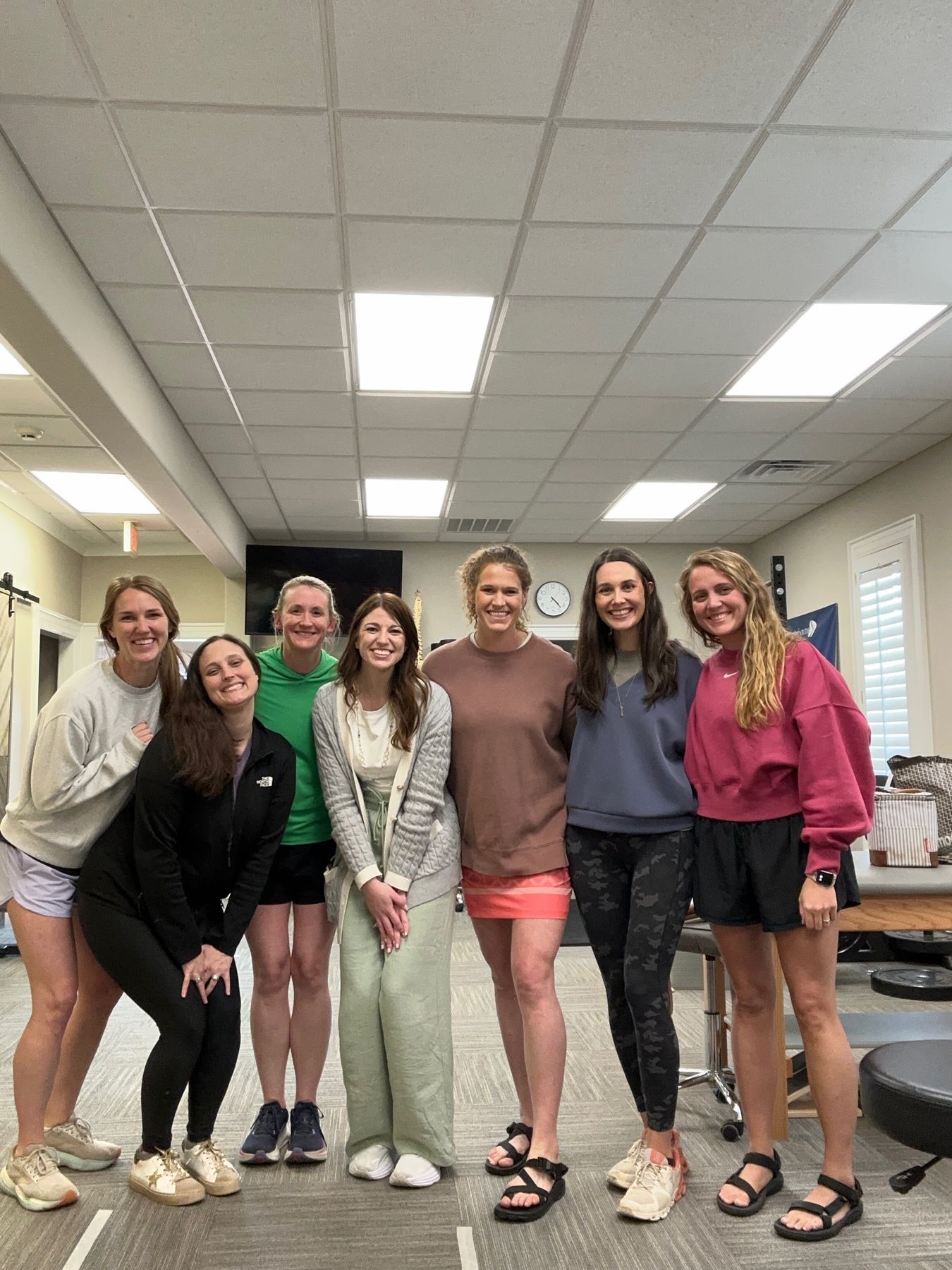
Inside the labs
From a recent Pessary Level 1 class
The schedule
What your 2 days look like
-
Day 17:30 AM–4:30 PM
Colorectal anatomy, constipation, and fecal incontinence, with labs on palpation and external and internal anorectal examination.
-
Day 27:30 AM–4:30 PM
Treatment: EMG biofeedback, rectal balloon training, manual therapy, and defecatory coordination, ending with a clinical competency lab.
See the hour-by-hour scheduleHide the hour-by-hour schedule
Teal blocks are hands-on labs. Point at any block to see what it is, or click it to jump to it in the list below.
Day 1: 7:30 AM–4:30 PM. Day 2: 7:30 AM–4:30 PM. Full schedule below.
- Lecture
- Hands-on lab
- Registration, breaks & lunch
Day 1
7:30 AM–4:30 PM · 3.5 hrs of lab
-
Functional colorectal anatomy and physiology
-
Posterior triangle anatomy and external anorectal assessment
-
Lab: Posterior triangle palpation and assessment Lab
-
Break
-
GI diseases and disorders
-
Constipation
Classification, evaluation, and treatment
-
Lunch
-
Fecal incontinence and anorectal dysfunction
-
Lab: External and internal anorectal examination Lab
-
Break
-
Diagnostic testing and clinical interpretation
-
Lab: Anorectal assessment and clinical reasoning Lab
Day 2
7:30 AM–4:30 PM · 5.5 hrs of lab
-
Evidence-based colorectal rehabilitation components
-
Lab: EMG biofeedback for anorectal dysfunction Lab
-
Break
-
Rectal balloon training
Principles and indications
-
Lab: Rectal balloon training Lab
-
Lunch
-
Therapeutic interventions for constipation and fecal incontinence
-
Lab: Manual therapy and defecatory coordination Lab
-
Break
-
Complex cases and special populations
-
Lab: Integrated treatment and clinical competency Lab
Dates & registration
Upcoming dates
Registration and payment are handled securely on Eventbrite.
No dates are scheduled yet.
New dates are posted here and on Eventbrite as soon as they’re set. Follow PRISM on Eventbrite to see every date, or send a quick email and you’ll get a note when registration opens.
Your instructor
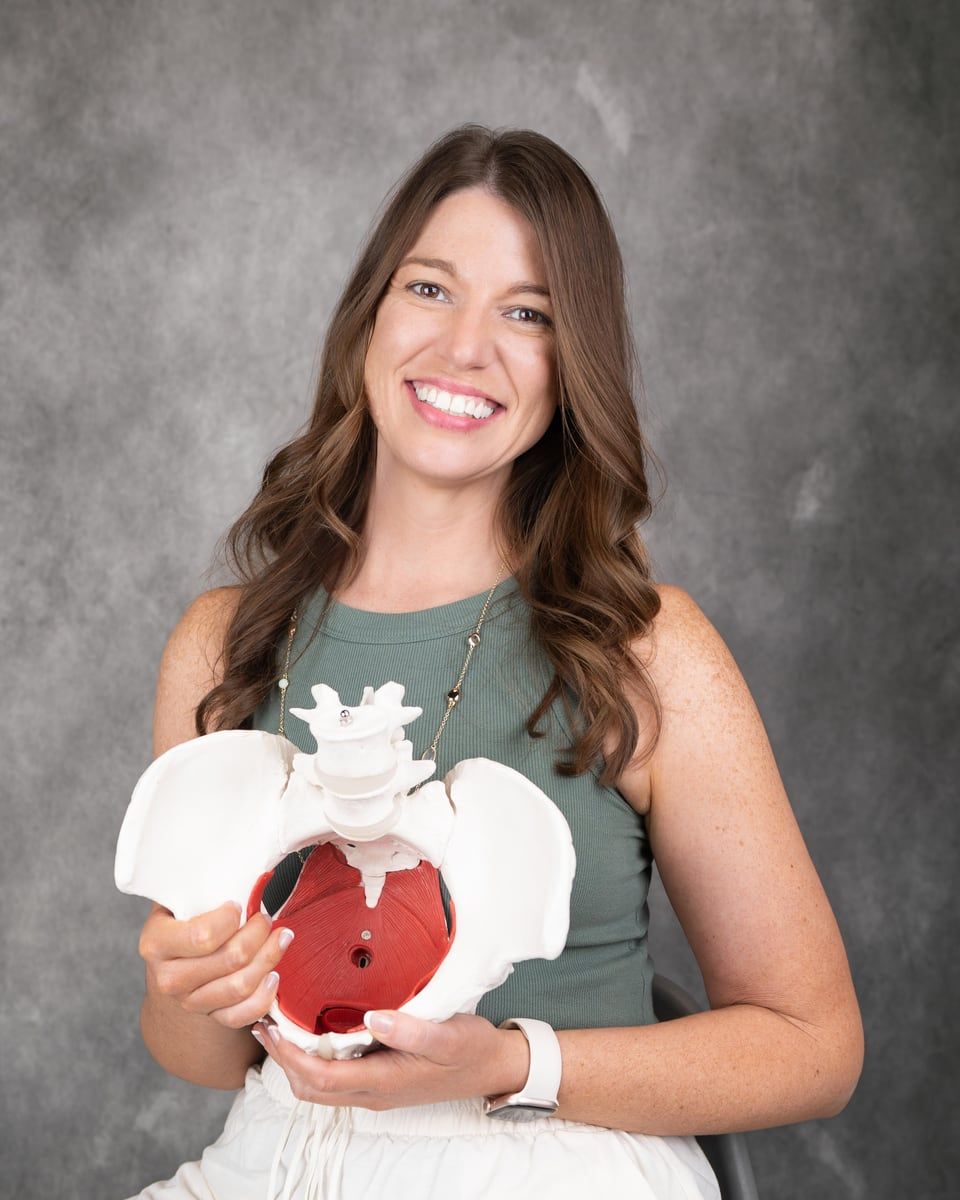
Dr. Jazma Dobbins, PT, DPT, PRPC, CAPP-Pelvic
Board Certified Pelvic and Women’s Health Clinical Specialist
Dr. Dobbins teaches every PRISM course and leads every lab herself. She owns Gadsden Pelvic Rehab and Physical Therapy, a two-clinic practice in Alabama, so every course is built on day-to-day clinical practice.
- DPTDoctor of Physical Therapy
- Board certifiedPelvic and Women’s Health Clinical Specialist
- PRPCPelvic Rehabilitation Practitioner Certification
- CAPP-PelvicCertificate of Achievement in Pelvic Physical Therapy
Questions
Before you register
How do I register and pay?
Every PRISM course date is listed on Eventbrite, under Prism Advanced Clinical Education. Each date’s Register button opens its Eventbrite page, where you register and pay, and Eventbrite emails your ticket and receipt. This website never asks for payment details.
Who can attend?
PTs, PTAs, OTs, and OTAs can attend every PRISM course. Gynecologists and midwives can also attend the pessary courses. Everyone practices within their own scope of practice, so check what your license allows before you use a new skill with patients.
Are there prerequisites?
Pessary Management: Level 1 requires a Level 1 pelvic course plus a urogynecology course (such as a Level 2B from Herman & Wallace or the APTA Academy of Pelvic Health). Pessary Management: Level 2 requires Level 1, or the Advanced POP/SUI course taught by Taryn Hallam with Women’s Health Training Associates (WHTA) in Australia. Pelvic Health Essentials for the PTA has no prerequisites. Colorectal Rehabilitation requires a Level 1 pelvic course, such as from Herman & Wallace or the APTA Academy of Pelvic Health. Vestibular Rehabilitation Intensive has no prerequisites.
Who do we practice on in labs?
Your classmates. Every lab is done with a partner from the class, and in the Pelvic Health courses that includes internal techniques. Everyone is expected to take part unless there is a medical, anatomical, or trauma-related reason to sit out.
What should I wear?
Whatever you’re comfortable moving in: shorts or sweatpants, a T-shirt, and tennis shoes. Some people wear a dress for the pelvic labs because there’s less to take off, but you don’t have to.
Do the courses count toward my continuing education requirements?
Each course lists its contact hours, which is the number you report when you renew your license. PRISM courses don’t currently carry approval from a specific state board. For physical therapy, several states don’t require pre-approval, as long as a course meets their standards, such as stated learning objectives and evidence-based content: Alabama, Colorado, Connecticut, Iowa, Maine, Montana, Nebraska, New Hampshire, North Dakota, South Dakota, and Washington. OTs and OTAs, and anyone unsure, should check with their licensing board before registering.
Ready to register?
Every PRISM date is listed on Eventbrite. Questions first? Email about course content, who a course is right for, or CE approval for your state.
Colorectal Rehabilitation